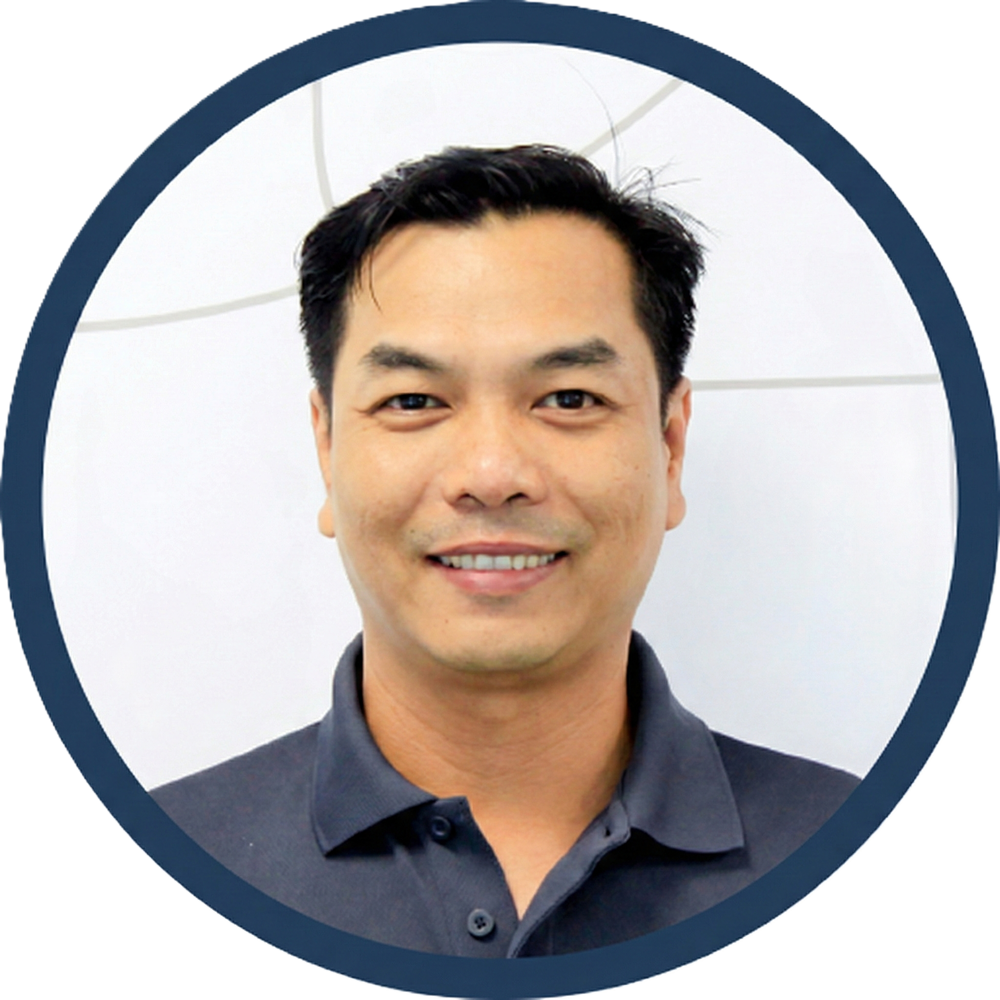
 Dang Le
 Work
I do not publish client names or project details without purpose. What matters is the type of work, the depth of thinking, and the outcomes it produces.
Below is a clear picture of where I operate and what I bring to the table.
Enterprise Release Governance
Large organisations ship software across dozens of teams, shared environments, and interconnected systems. Without governance, every release is a coordination risk.
I design and implement release governance structures that give teams autonomy within boundaries — defined gates, clear ownership, and traceability from commit to production. The goal is not to slow things down. It is to make speed safe.
What this looks like
- Release process design for multi-team environments
- Gate definitions with clear accountability at each stage
- Deployment risk classification and escalation models
- Production readiness criteria that teams actually use
System-Level Redesign
Most system problems are not caused by bad code. They are caused by architectural decisions that made sense three years ago and have since been outgrown.
I help teams see the whole system — not just the component that is failing — and redesign at the structural level. This means dependency analysis, boundary redefinition, and migration planning that accounts for what is already in production.
What this looks like
- Architectural assessment of current state and constraints
- Boundary and ownership mapping across services
- Migration strategy that respects production stability
- Incremental redesign plans with measurable checkpoints
AI Workflow Integration
AI does not live in isolation. It sits inside a workflow, depends on data from upstream systems, and produces outputs that downstream processes rely on. If any of that is undefined, the model is a liability.
I integrate AI into existing operational workflows with the same rigour applied to any production component — defined inputs, bounded scope, monitoring, and fallback behaviour.
What this looks like
- Workflow mapping to identify viable AI integration points
- Input/output contracts for AI components
- Monitoring and fallback design for model-dependent processes
- Operational handover so teams can maintain it without me
Production Risk Reduction
Production incidents are expensive. Not just in downtime, but in trust — with customers, with leadership, with the team itself.
I work with teams to identify and reduce structural production risk before it becomes an incident. This is not about adding more alerts. It is about fixing the conditions that make incidents likely in the first place.
What this looks like
- Production risk audit across deployment and runtime layers
- Failure mode identification and mitigation planning
- Observability strategy aligned to business-critical paths
- Post-incident structural improvements, not just patches
Working Together
If any of this reflects the kind of challenge your team is facing, I would welcome a conversation. I work best with leaders who already know something needs to change — and want a structured path to get there.